
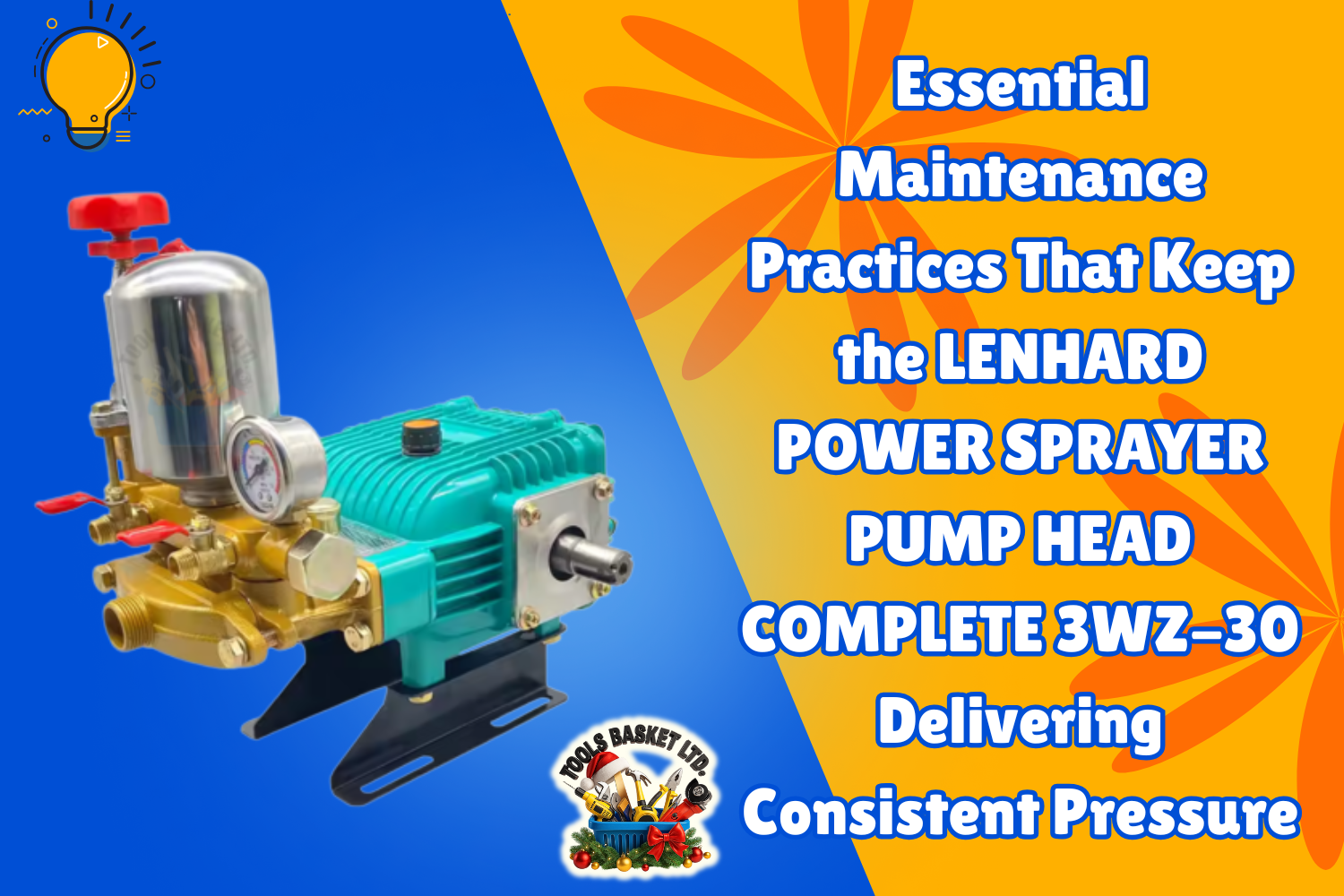
Essential Maintenance Practices That Keep the LENHARD POWER SPRAYER PUMP HEAD COMPLETE 3WZ-30 Delivering Consistent Pressure

The LENHARD POWER SPRAYER PUMP HEAD COMPLETE 3WZ-30 is designed to deliver strong and reliable spraying pressure for agriculture, pest control, cleaning, and farm applications. As the core component of a power sprayer system, its performance depends heavily on regular care and correct handling. Most pressure loss and pump failure issues develop slowly due to neglected maintenance rather than manufacturing defects.
Flushing the Pump Head After Every Spraying Session
Chemical residue is one of the main causes of pump head damage. After spraying fertilizers, pesticides, or chemicals, residue remains inside valves and chambers. If not flushed out, these chemicals harden and damage internal seals. Rinsing the system with clean water after each use keeps the LENHARD POWER SPRAYER PUMP HEAD COMPLETE 3WZ-30 clean internally and maintains smooth pressure delivery.
Inspecting Seals and Gaskets Regularly
Seals and gaskets handle constant pressure and chemical exposure. Over time, they harden, crack, or lose flexibility. Regular inspection helps identify early leaks before pressure drops occur. Replacing worn seals promptly ensures the LENHARD POWER SPRAYER PUMP HEAD COMPLETE 3WZ-30 maintains consistent output and prevents damage to surrounding components.
Keeping the Pump Head Properly Lubricated
Moving parts inside the pump head require proper lubrication to reduce friction. Dry operation increases wear on pistons and bearings, leading to overheating and reduced efficiency. Correct lubrication keeps internal movement smooth and protects the LENHARD POWER SPRAYER PUMP HEAD COMPLETE 3WZ-30 from premature mechanical failure.
Using Clean Water and Filtered Input
Dirty water introduces sand, grit, and debris into the pump head. These particles scratch internal surfaces and damage valves. Using clean water and maintaining inlet filters prevents abrasive damage and allows the LENHARD POWER SPRAYER PUMP HEAD COMPLETE 3WZ-30 to operate efficiently over long periods.
Monitoring Pressure Output During Operation
A gradual drop in pressure often signals internal wear or blockage. Monitoring spray pressure during use helps detect issues early. Stable pressure indicates healthy internal components, while fluctuations suggest maintenance is needed. Early action protects the LENHARD POWER SPRAYER PUMP HEAD COMPLETE 3WZ-30 from further damage.
Avoiding Dry Running at All Times
Running the pump without water causes immediate damage to seals and internal components. Always ensure proper priming before operation. Preventing dry running is one of the most important habits for extending the life of the LENHARD POWER SPRAYER PUMP HEAD COMPLETE 3WZ-30.
Tightening Mounting Bolts and Connections
Vibration during spraying loosens bolts and hose connections over time. Loose fittings cause leaks and pressure loss. Periodic tightening keeps the LENHARD POWER SPRAYER PUMP HEAD COMPLETE 3WZ-30 stable and maintains efficient pressure transfer.
Protecting the Pump Head from Chemical Corrosion
Some agrochemicals are aggressive and accelerate corrosion if left inside the pump. Washing out chemicals and storing the pump head dry reduces corrosion risk. Proper chemical handling preserves the internal surfaces of the LENHARD POWER SPRAYER PUMP HEAD COMPLETE 3WZ-30.
Proper Storage After Long Periods of Inactivity
When not in use for extended periods, draining water and chemicals from the pump head prevents internal corrosion and seal damage. Storing in a dry environment ensures the LENHARD POWER SPRAYER PUMP HEAD COMPLETE 3WZ-30 is ready for reliable operation when needed again.
Final Thoughts
Pump heads rarely fail suddenly. Pressure loss and inefficiency develop gradually due to residue buildup, seal wear, and poor flushing habits. By cleaning thoroughly after use, maintaining seals, using clean water, and avoiding dry running, the LENHARD POWER SPRAYER PUMP HEAD COMPLETE 3WZ-30 delivers consistent spraying pressure and long service life.
Proper maintenance saves repair costs, reduces downtime, and ensures dependable spraying performance for agricultural and cleaning applications.