Nakuru, Dimples Building 

A walking tractor is more than just a machine — it’s the heartbeat of small-scale farming and rural development. Across Kenya and beyond, the walking tractor empowers farmers to cultivate larger fields with less effort. The walking tractor is designed for versatility, making it ideal for ploughing, weeding, ridging, and even transporting harvests. Every walking tractor represents power, innovation, and independence for farmers seeking efficiency and growth. With a walking tractor, one person can do the work of many, saving time and fuel while achieving better yields. The walking tractor stands as a trusted tool for transforming tough soils into fertile farmlands. Farmers appreciate how the walking tractor adapts to various attachments, turning it into a multipurpose agricultural partner. Whether it’s a diesel walking tractor or a petrol one, each model ensures steady performance and low maintenance. Investing in a walking tractor means investing in sustainable productivity. From planting to harvesting, the walking tractor simplifies every step of farming. The modern walking tractor has become a symbol of progress and empowerment in rural communities. Many cooperatives and youth groups now rely on a walking tractor to expand their agribusiness ventures. The walking tractor promotes mechanization, reducing the burden of manual labor while improving accuracy and consistency. Owning a walking tractor enables farmers to work faster, cover more ground, and grow healthier crops. In dry seasons, the walking tractor supports irrigation and land preparation with remarkable efficiency. With durable construction, a walking tractor endures tough field conditions year after year. Farmers who use the walking tractor often report higher productivity and lower costs per acre. The versatility of a walking tractor makes it suitable for both small and medium-scale farms. Every walking tractor helps transform traditional agriculture into modern, profitable agribusiness. The walking tractor plays a key role in achieving food security and improving livelihoods. Many agricultural programs now promote the walking tractor as a tool for youth empowerment and job creation. Whether used for commercial farming or personal food production, the walking tractor delivers consistent results. Its compact design allows the walking tractor to navigate narrow plots and uneven terrains easily. The walking tractor reduces fuel consumption compared to larger tractors, making it a cost-effective choice. Farmers can attach trailers, pumps, or planters to the walking tractor, increasing its functionality. By choosing a walking tractor, farmers gain flexibility, mobility, and reliability in one package. Across rural Kenya, the walking tractor is helping families achieve economic stability through farming. A well-maintained walking tractor can serve generations, becoming an asset that supports community growth. Day by day, more farmers realize that the walking tractor is not just equipment — it’s a partner in success. The walking tractor helps increase yields, promote efficiency, and reduce dependency on manual labor. Every walking tractor sold contributes to a stronger agricultural sector. The walking tractor embodies innovation, strength, and opportunity for growth. Whether you’re starting a farm or scaling operations, the walking tractor will be your most valuable tool. As mechanized farming expands, the walking tractor remains the most practical and affordable entry point. Reliable, durable, and efficient — the walking tractor continues to revolutionize how farmers work. From the mountains to the plains, from small gardens to commercial plots, the walking tractor keeps the soil turning and the harvest growing. Walking tractor, walking tractor, walking tractor — a name that echoes in every successful farm story. The walking tractor continues to shape the future of agriculture with its unmatched power and efficiency. Walking tractor for progress, walking tractor for prosperity, walking tractor for the people — it’s more than a machine; it’s a movement. Walking tractor after walking tractor, the land becomes more productive, the farmers more hopeful, and the communities more self-reliant. Truly, the walking tractor is the farmer’s best friend — built to last, built to serve, and built to grow.

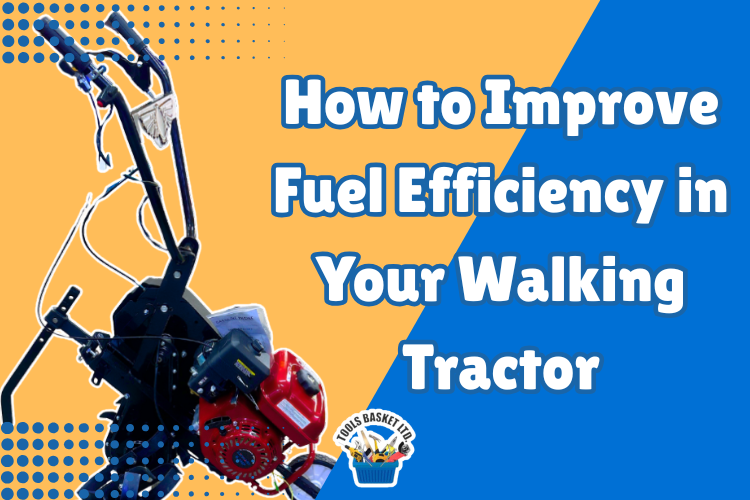
How to Improve Fuel Efficiency in Your Walking Tractor

2 minutes, 29 seconds Read

If you use a walking tractor for farming or gardening, you already know how useful it is for ploughing, tilling, and transporting loads. However, with the rising cost of fuel, learning how to improve your walking tractor’s fuel efficiency can help you save money and extend the lifespan of your machine. Below are practical tips every farmer should follow to make the most out of their walking tractor.


1. Maintain Your Walking Tractor Regularly

Routine maintenance is the key to better fuel economy. Clean or replace the air filter often to ensure proper airflow to the engine. Check the spark plug, oil levels, and fuel lines regularly. A well-serviced walking tractor runs smoother and consumes less fuel.


2. Use the Right Engine Oil

Choosing the correct engine oil reduces friction inside the engine, improving performance and efficiency. Always refer to your walking tractor manufacturer’s manual to find the recommended oil grade. Using poor-quality or incorrect oil increases engine strain and fuel consumption.


3. Operate at the Right Speed

Avoid over-revving your walking tractor. Operating at high speeds or using unnecessary throttle burns more fuel. Instead, maintain moderate engine speed and use the appropriate gear for the task. Efficient speed control reduces fuel usage and prevents engine wear.


4. Keep the Blades and Implements Sharp

Dull blades or poorly maintained implements force your walking tractor to work harder. Whether you’re tilling, ploughing, or weeding, sharp tools reduce resistance and improve overall efficiency. This means the engine consumes less fuel while performing better.


5. Use Quality Fuel

Always use clean and high-quality fuel. Contaminated fuel can clog filters and reduce combustion efficiency. To protect your walking tractor, store fuel properly in clean containers and avoid old or stale fuel that can damage the engine.


6. Avoid Overloading

Every walking tractor has a recommended load capacity. Overloading not only increases fuel consumption but also shortens engine life. When transporting goods or using attachments, make sure you stay within the weight limits specified by the manufacturer.


7. Plan Your Work Smartly

Fuel efficiency isn’t just about the machine—it’s also about how you use it. Plan your farm work to minimize unnecessary movement. Combine tasks where possible and avoid repeated passes on the same area. A well-organized routine helps you save both time and fuel.


8. Store Your Walking Tractor Properly

When not in use, store your walking tractor in a clean, dry, and shaded place. Exposure to harsh weather can affect the fuel system and engine performance over time. Regularly drain old fuel if you’re not using the tractor for long periods.


Final Thoughts

Improving fuel efficiency in your walking tractor is not difficult—it simply requires consistent care, smart operation, and quality fuel. By following these steps, you’ll save money, reduce maintenance costs, and get the best performance from your walking tractor season after season.

Whether you’re a small-scale farmer or managing a larger farm, efficient use of your walking tractor ensures productivity and sustainability for the long term.

Similar Posts

Leave a Reply

Your email address will not be published. Required fields are marked *

Select Wishlist