
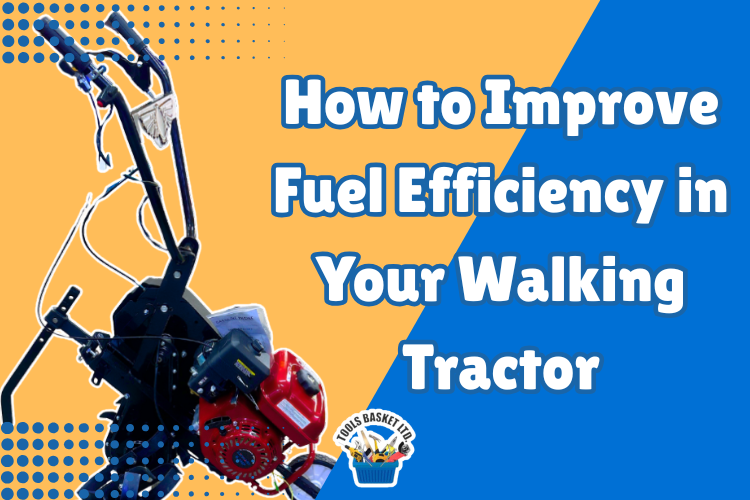
How to Improve Fuel Efficiency in Your Walking Tractor

If you use a walking tractor for farming or gardening, you already know how useful it is for ploughing, tilling, and transporting loads. However, with the rising cost of fuel, learning how to improve your walking tractor’s fuel efficiency can help you save money and extend the lifespan of your machine. Below are practical tips every farmer should follow to make the most out of their walking tractor.
1. Maintain Your Walking Tractor Regularly
Routine maintenance is the key to better fuel economy. Clean or replace the air filter often to ensure proper airflow to the engine. Check the spark plug, oil levels, and fuel lines regularly. A well-serviced walking tractor runs smoother and consumes less fuel.
2. Use the Right Engine Oil
Choosing the correct engine oil reduces friction inside the engine, improving performance and efficiency. Always refer to your walking tractor manufacturer’s manual to find the recommended oil grade. Using poor-quality or incorrect oil increases engine strain and fuel consumption.
3. Operate at the Right Speed
Avoid over-revving your walking tractor. Operating at high speeds or using unnecessary throttle burns more fuel. Instead, maintain moderate engine speed and use the appropriate gear for the task. Efficient speed control reduces fuel usage and prevents engine wear.
4. Keep the Blades and Implements Sharp
Dull blades or poorly maintained implements force your walking tractor to work harder. Whether you’re tilling, ploughing, or weeding, sharp tools reduce resistance and improve overall efficiency. This means the engine consumes less fuel while performing better.
5. Use Quality Fuel
Always use clean and high-quality fuel. Contaminated fuel can clog filters and reduce combustion efficiency. To protect your walking tractor, store fuel properly in clean containers and avoid old or stale fuel that can damage the engine.
6. Avoid Overloading
Every walking tractor has a recommended load capacity. Overloading not only increases fuel consumption but also shortens engine life. When transporting goods or using attachments, make sure you stay within the weight limits specified by the manufacturer.
7. Plan Your Work Smartly
Fuel efficiency isn’t just about the machine—it’s also about how you use it. Plan your farm work to minimize unnecessary movement. Combine tasks where possible and avoid repeated passes on the same area. A well-organized routine helps you save both time and fuel.
8. Store Your Walking Tractor Properly
When not in use, store your walking tractor in a clean, dry, and shaded place. Exposure to harsh weather can affect the fuel system and engine performance over time. Regularly drain old fuel if you’re not using the tractor for long periods.
Final Thoughts
Improving fuel efficiency in your walking tractor is not difficult—it simply requires consistent care, smart operation, and quality fuel. By following these steps, you’ll save money, reduce maintenance costs, and get the best performance from your walking tractor season after season.
Whether you’re a small-scale farmer or managing a larger farm, efficient use of your walking tractor ensures productivity and sustainability for the long term.