
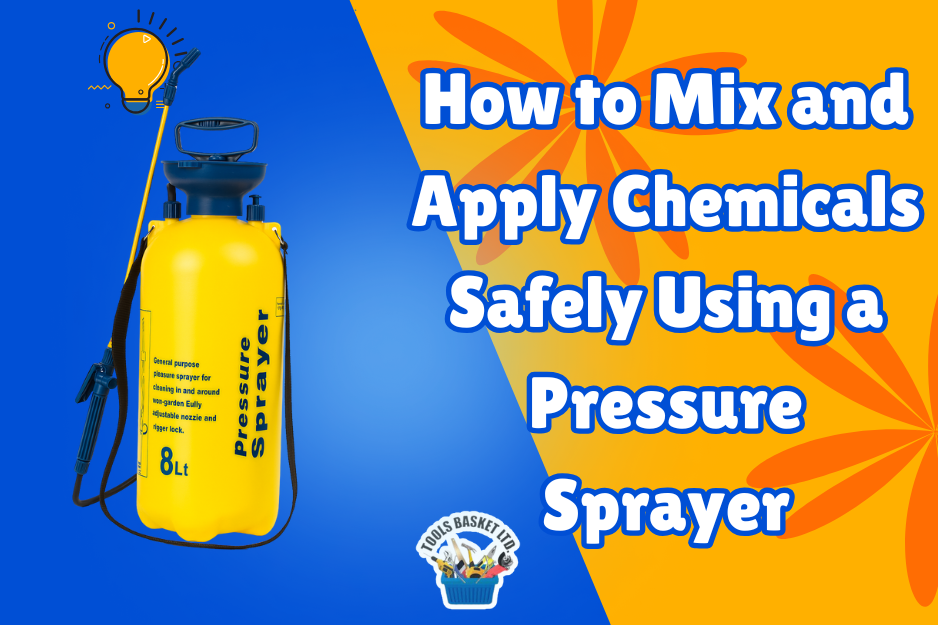
How to Mix and Apply Chemicals Safely Using a Pressure Sprayer

A Pressure Sprayer is one of the most essential tools for farms, gardens, greenhouses, and home cleaning tasks. Whether you are spraying pesticides, herbicides, foliar feeds, disinfectants, or liquid fertilizers, an 8-Liter Pressure Sprayer gives you full control, good coverage, and efficient spraying with minimal waste.
However, spraying chemicals without proper care can cause serious health risks, damage to plants, contamination of soil, and harm to the environment. That’s why understanding the right mixing and spraying process is extremely important for every user — whether beginner or experienced.
This guide explains step-by-step how to mix and apply chemicals safely using a Pressure Sprayer or Garden Sprayer, including precautions, preparation, cleaning, and aftercare.
1. Understand the Purpose of Your Pressure Sprayer
Before mixing anything, understand what your sprayer is designed for. An 8-Liter Pressure Sprayer can be used for:
✓ Spraying pesticides
✓ Herbicide application (killing weeds)
✓ Fertilizer application (foliar feeding)
✓ Disinfecting surfaces
✓ Watering seedlings
✓ Spraying livestock treatments
✓ Cleaning outdoor surfaces
Knowing the correct purpose helps you choose the right chemical and adjust the correct mixing ratio.
2. Read the Product Label Carefully
Every chemical has different strengths and effects. Whether it’s a pesticide, fungicide, weed killer, or fertilizer, its label gives you crucial information.
Read the label for:
✓ Correct mixing ratio (e.g., 20ml per liter)
✓ Safety instructions
✓ What crops it’s safe for
✓ Waiting period (re-entry and pre-harvest intervals)
✓ Storage and disposal instructions
✓ First aid recommendations
This prevents overuse, plant damage, or exposure to harmful residues.
3. Wear Protective Gear Before Handling Chemicals
When using a Pressure Sprayer or Garden Sprayer, protect yourself fully. Some chemicals can irritate the skin, eyes, or respiratory system.
Wear protective items:
✓ Gloves
✓ Long sleeves
✓ Mask or respirator
✓ Safety goggles
✓ Closed shoes
✓ Apron or old clothing
This keeps you safe from splashes and fumes.
4. Use Clean Water and Clean Equipment
The number one rule of mixing chemicals is starting with clean water and a clean sprayer.
Why this matters:
✓ Dirty water weakens chemicals
✓ Dirt particles clog the sprayer nozzle
✓ Mixture becomes inconsistent
✓ Some chemicals react badly with contaminated water
Always rinse your 8-Liter Pressure Sprayer before preparing a new chemical mixture.
5. Fill the Sprayer Halfway Before Adding Chemicals
To avoid chemical foam or uneven mixing:
-
Fill the Garden Sprayer tank halfway with clean water
-
Add the measured chemical slowly
-
Close the sprayer
-
Shake gently to mix
-
Add more water up to the 8-liter mark
This ensures the solution mixes well and avoids pressure problems.
6. Measure Chemicals Accurately
Mixing too much chemical can burn plants, harm soil organisms, and cause chemical wastage. Too little may not solve the problem (weeds or pests may survive).
Do:
✓ Follow the exact mixing ratio
✓ Use a measuring cup or syringe
✓ Keep chemical measuring tools separate from kitchen tools
Don’t:
✗ Guess
✗ Add extra to “make it stronger”
✗ Mix different chemicals unless approved
Accuracy protects your plants and your sprayer.
7. Pump and Test Your Pressure Sprayer First
Before you begin real spraying:
✓ Pump the sprayer to build pressure
✓ Test-spray on empty ground
✓ Check for leaks around the handle, hose, and nozzle
✓ Adjust the nozzle spray pattern — fine mist or strong jet
A good test prevents accidents or uneven spraying.
8. Spray in the Correct Weather Conditions
Weather affects how chemicals spread, dry, and work.
Best time to spray:
✓ Early morning
✓ Late evening
✓ Cloudy but dry weather
Avoid spraying during:
✗ Strong winds (chemicals drift)
✗ Hot sun (chemicals evaporate)
✗ Rain (washing away chemicals)
For weed killers, wind can blow herbicide onto healthy plants — causing damage.
9. Spray Evenly and Consistently
To use your Pressure Sprayer effectively:
✓ Walk slowly
✓ Maintain equal distance from plants
✓ Overlap slightly to avoid missed spots
✓ Do not overspray — more is not better
✓ Keep nozzle pressure steady by pumping when needed
This ensures good coverage and prevents patchy results.
10. Keep Children, Pets, and Livestock Away
Chemicals can be harmful when inhaled, touched, or swallowed.
✓ Keep kids away from the spraying area
✓ Do not spray near animals
✓ Allow recommended re-entry time
Follow all waiting intervals on the chemical label.
11. Safely Dispose of Leftover Chemicals
Never pour leftover mixture onto the ground, drain, or into rivers.
Safe disposal options:
✓ Spray remaining solution on the target area
✓ Dilute and apply to non-sensitive areas if permitted
✓ Follow disposal instructions on label
This protects the environment and water sources.
12. Clean Your Pressure Sprayer Immediately After Use
Cleaning your 8-Liter Pressure Sprayer prevents clogs and corrosion.
Cleaning steps:
-
Empty leftover solution
-
Rinse the tank with clean water
-
Pump and spray clean water through the nozzle
-
Remove and clean the nozzle tip
-
Allow the sprayer to dry before storing
Never leave chemicals inside the sprayer for long periods — they damage seals and nozzles.
13. Store the Sprayer Safely
Store your Garden Sprayer in a cool, dry place.
✓ Avoid direct sunlight
✓ Store upright
✓ Keep away from children
✓ Label your sprayer “CHEMICAL USE ONLY”
This ensures long lifespan and prevents accidental misuse.
Final Thoughts
Using a Pressure Sprayer, 8-Liter Pressure Sprayer, or Garden Sprayer makes farm and home spraying tasks faster, easier, and more efficient — but safety must always be the priority. By following the right mixing procedures, proper spraying techniques, and correct aftercare, you protect yourself, your crops, your family, and the environment.
For high-quality sprayers and garden tools, visit:
📍 Tools Basket Ltd – Nakuru, Dimples Building
🌐 www.toolsbasket.co.ke
📞 +254 718 281 281